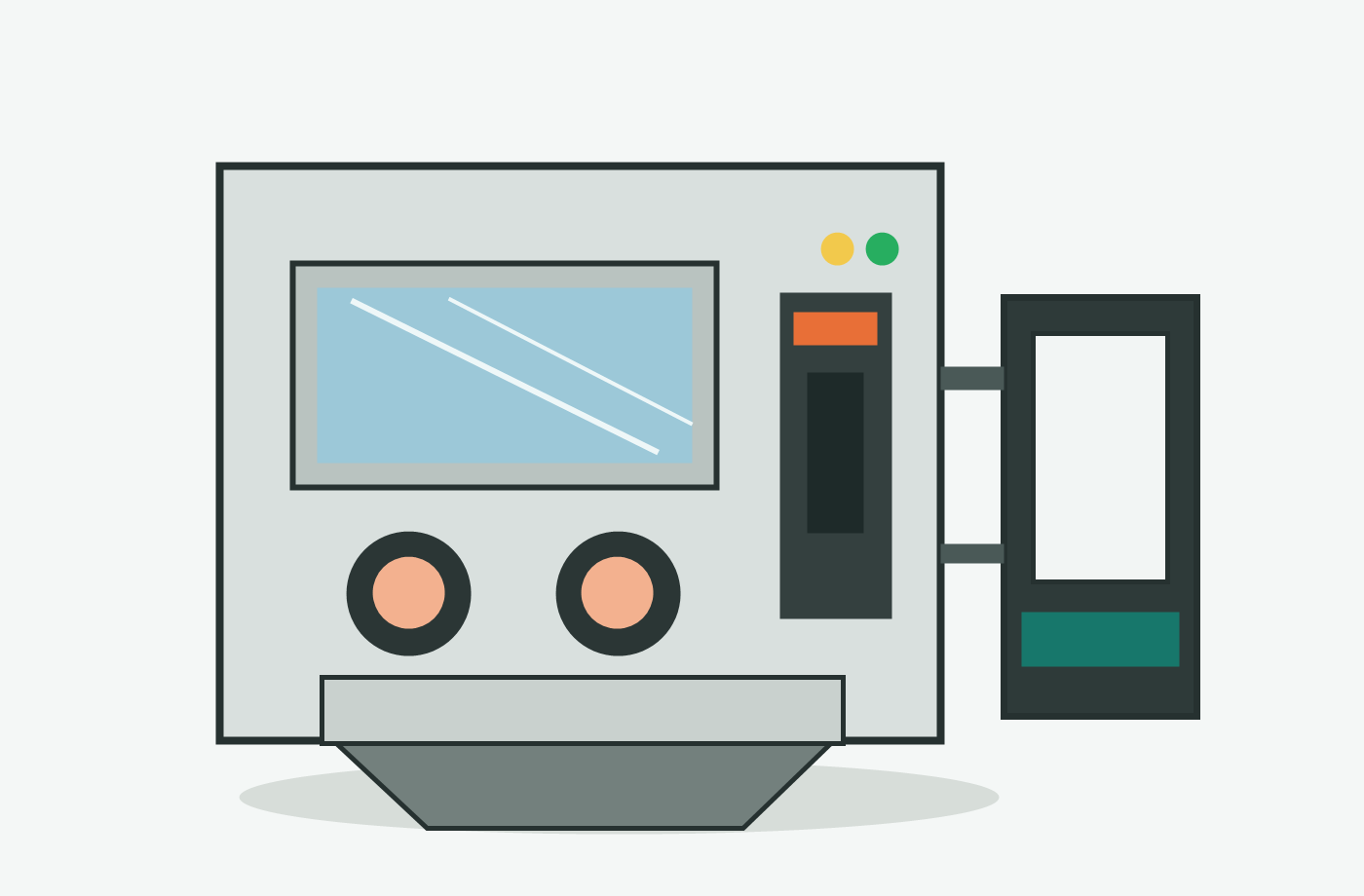
Instead of blasting in an open area, the operator places the workpiece inside the cabinet, inserts their hands into glove ports, views the part through a protected window, and directs compressed air and abrasive media through a blast gun or nozzle. The cabinet contains dust and abrasive, recovers usable media, and supports repeatable surface finishing on small to medium-sized parts.
For workshops, small manufacturers, repair departments and maintenance facilities, a cabinet is often the most practical surface preparation investment. It does not require a full blast room. It is easier to install than a large shot blasting machine. It can process varied part shapes, short batches and repair jobs without complex tooling. Most importantly, it gives the operator close control over blasting angle, nozzle distance, pressure and dwell time.
A good cabinet is used for precision cleaning, surface preparation before painting or coating, cosmetic finishing, oxide removal, carbon deposit removal, light peening and edge deburring. It is not simply a box with gloves. It is a process system that depends on air delivery, media selection, chamber ergonomics, recovery efficiency and dust collection.
If you are buying one, the most useful question is not only "What size cabinet do I need?" The better question is: "What part size, material, surface condition, required finish, daily volume and compressor capacity must the cabinet support every day?" That question points directly to the right cabinet type and avoids the common mistake of buying a machine that looks large enough but cannot maintain pressure, visibility or cycle time.